![[personal profile]](https://www.dreamwidth.org/img/silk/identity/user.png)
- Global News reports on how Canadian zoos protect their animals from the unexpected cold of our country's winters.
- Emma Teitel wonders over at the Toronto Star why men underdress in winter. Is it some effort to prove a suitability for mating? (Me, I just tend to be warm, honestly.)
- Laurie Monsebraaten notes over at the Star that affordable childcare has become still more impossible in Toronto with the minimum wage increase. (The previous sentence reflects two structural issues with the Ontario economy.)
- CBC notes lessons Ontario can take, on minimum-wage increases, from Alberta and Seattle.
- Ian Hussey of the National Observer takes issue with five major claims against minimum wage increases.
- This account, of shoppers saying goodbye to a closing Toronto Sears store, is sad. The Toronto Star has it.
- Chantal Hébert notes at the Star that Andrew Scheer and the Conservative Party are best served by a, well, conservative policy, of waiting to see what happens with NAFTA.


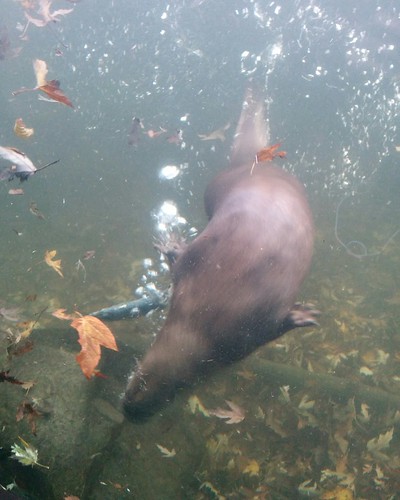
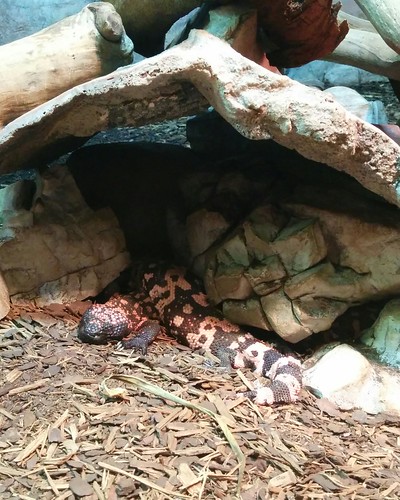


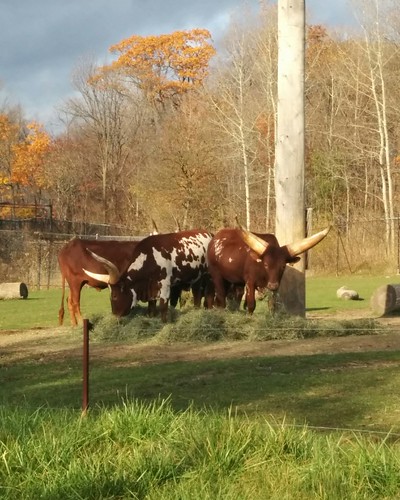
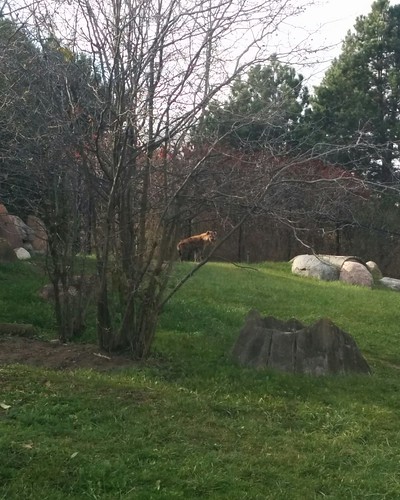


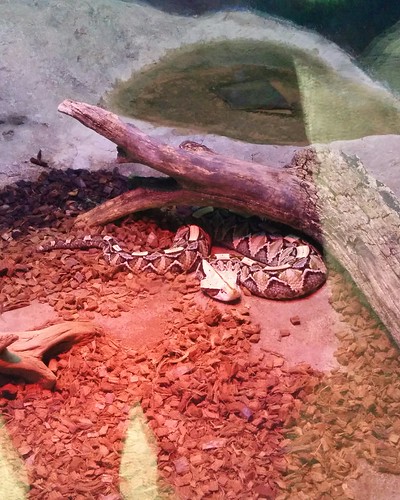
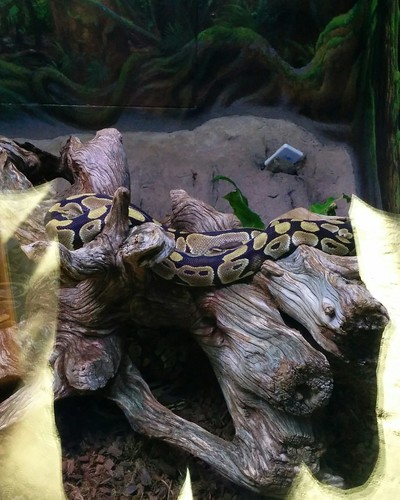
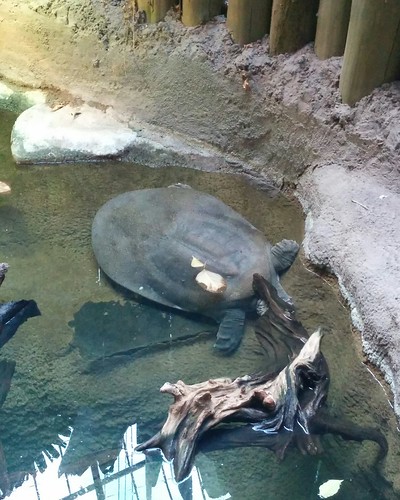
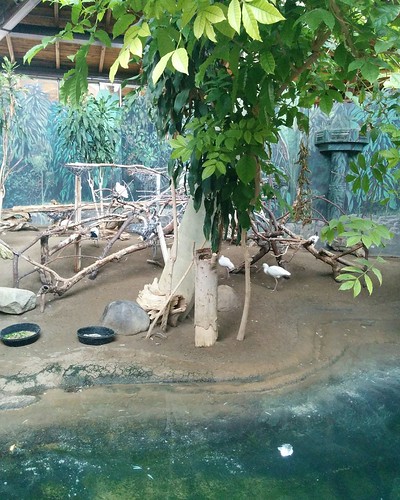
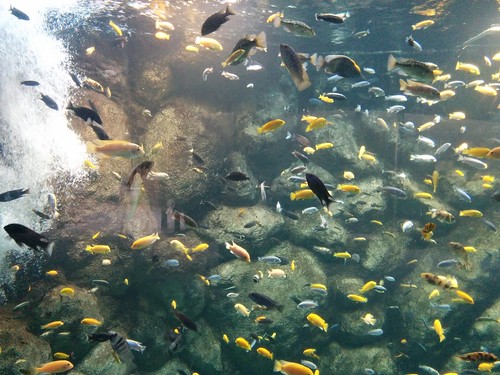


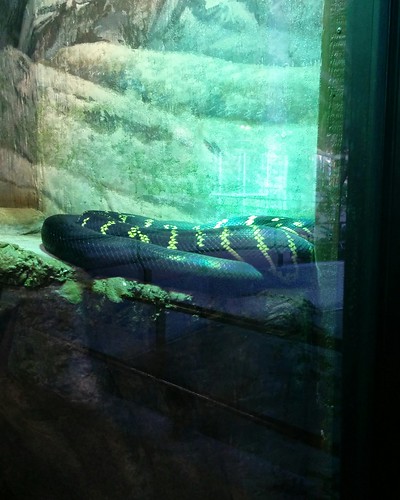


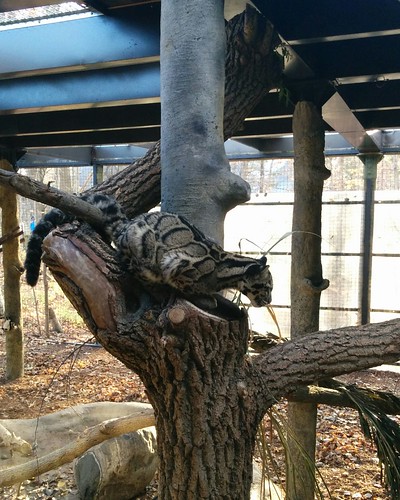


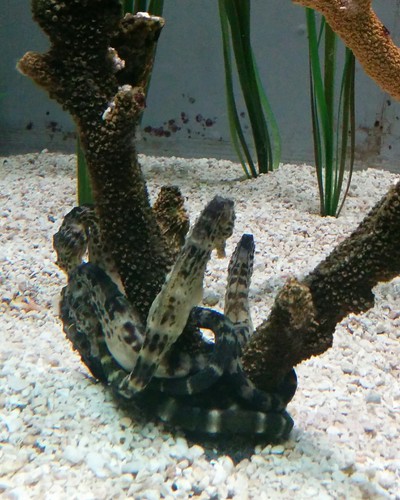
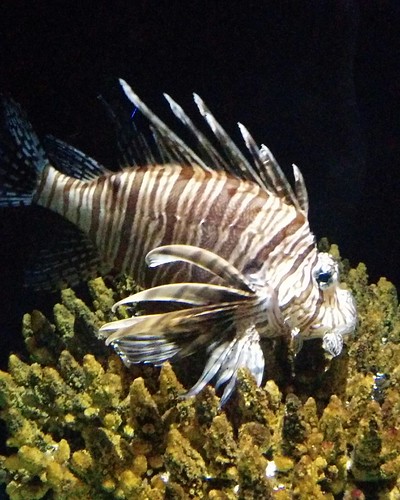

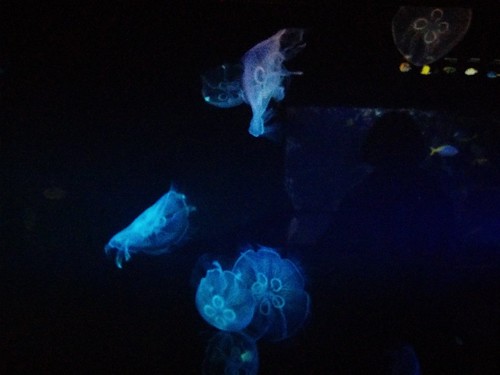


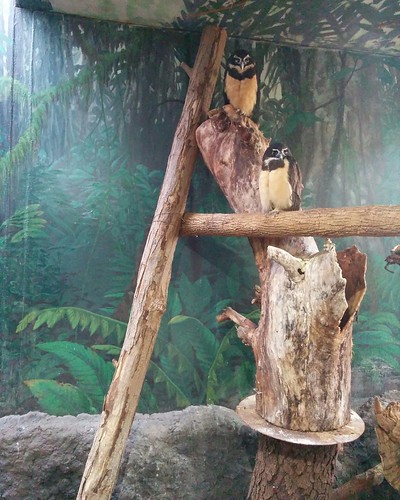


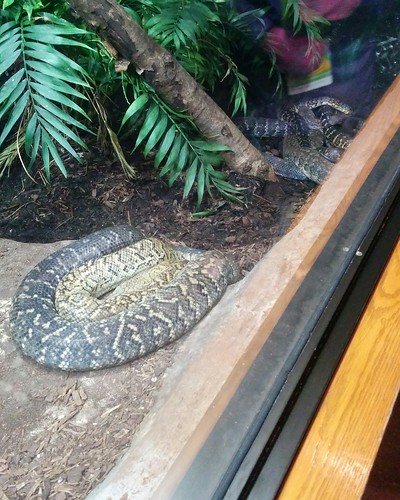

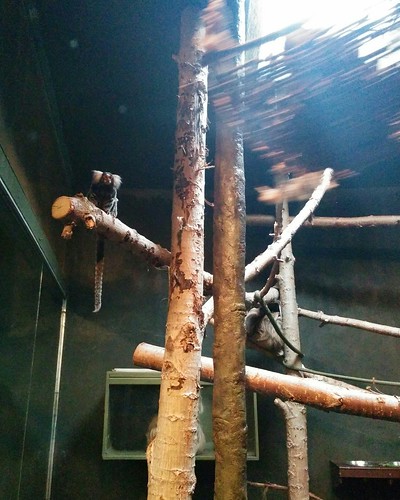
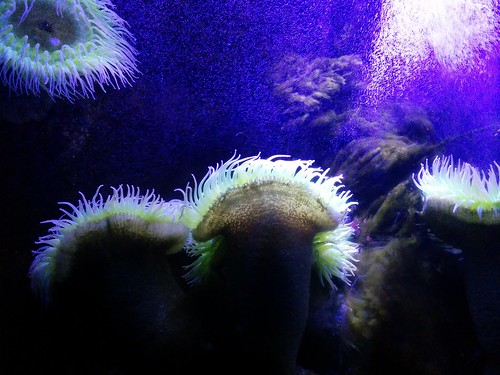


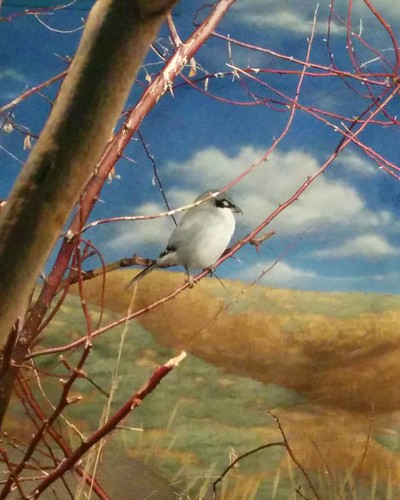

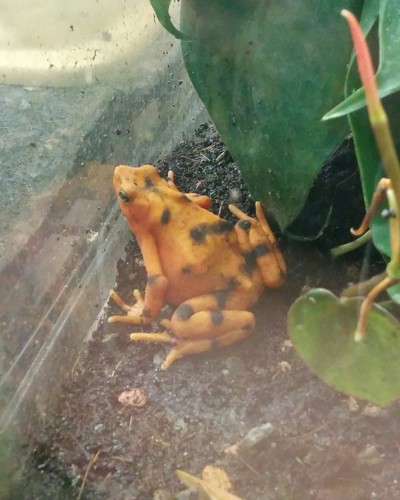

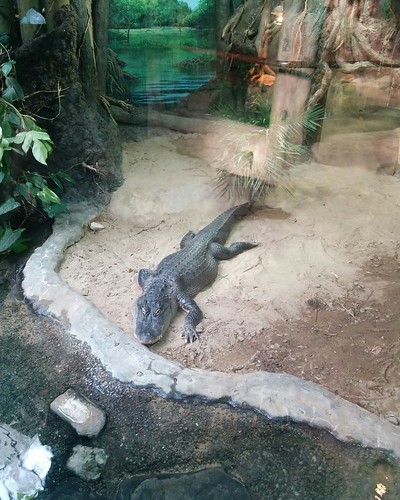
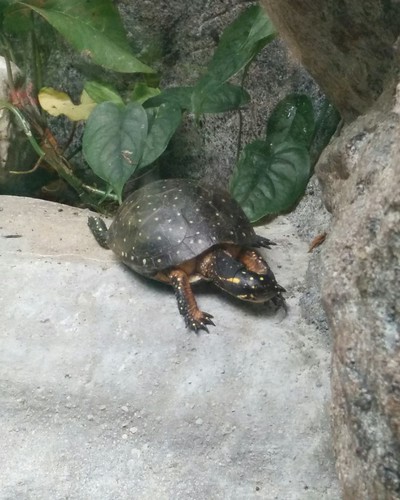
There are plenty of animals to see at the Toronto Zoo apart from pandas. There are red pandas, for instance, and dozens of other species of birds and mammals and reptiles and insects.


The pandas in residence at the Toronto Zoo—adult male Da Mao, adult female Er Shun, and their male child Jia Panpan and their female Jia Yueyue—are adorable. Mother and children in the main enclosure, enthusiastically eating vast amounts of bamboo or sleeping thoroughly, were wonderfully photogenic. Da Mao, off by himself in his own pen, seemed more intent on his own affairs.


The Giant Panda Experience at the Toronto Zoo is certainly well-publicized, and well-organized. After passing through the gates of the zoo, you are directed to the panda exhibit nearby, through some gates to the temporary exhibit hall. There, visitors are directed past a series of displays about giant panda life—their food, their shrinking range, the tools and techniques used to save them, and their breeding—before being channelled towards the pandas' display area.


Yesterday, I visited the Toronto Zoo for the first time in years, coming with my parents. The world-famous pandas were an early highlight, and indeed there will be pictures. Walking through the wooded grounds in the far northeast of Toronto, the quiet beauty of the wooded hills also impressed itself upon me. It was a beautiful day to be out walking yesterday.


[PHOTO] Emu of High Park Zoo
Sep. 27th, 2017 09:57 am
Yesterday, I went on a great walk southwest of Keele station, through High Park and west along the shore of Humber Bay. I was particularly impressed by this emu I saw, safely contained behind a fence, in the High Park Zoo. This is surely a bird that would be recognized by the dinosaurs of the pre-Cretaceous era as kin.
The Toronto Star's Jennifer Pagliaro writes about the Toronto Zoo's ever-going struggle for viability. I did not know that it faced so many issues.
(Perhaps I should go this year?)
(Perhaps I should go this year?)
When the gates of the Metro Toronto Zoo opened in Aug. 15, 1974, officials anticipated a first day crush of 50,000 visitors.
What they got was 8,000 as officials blamed an ongoing transit strike and fears of overcrowding for keeping visitors away. It wasn’t the only glitch.
The guests who did come complained of too-high barriers that prevented children from seeing some of the animals on display. Some of the animals were impossible to see at all: A group of aardvarks mysteriously disappeared, believed to have burrowed under their enclosure, far from view.
[. . .]
Throughout its more than 40 year history, officials charged with overseeing the 700-acre public zoo, have been exceedingly optimistic that putting a wide selection of the animal kingdom — especially newborns — on display would attract the kind of visitors needed to keep it running. But in all the time gates have been open, the Toronto Zoo, as it’s known now, has always operated at a loss, needing millions from the city each year to keep going.
Bad weather, declining spending on tourism and competing attractions have been the target of blame since Day One.
But with attendance rates falling — reaching an eight-year low last year even as zoos in Calgary, San Diego and New York have seen revenues climb — the Toronto Zoo is faced with an age-old problem: Adapt to survive. But how?
[BLOG] Some Thursday links
Mar. 10th, 2016 07:56 pm- blogTO notes that Canadian Backpackers Hostel is set to close down to make room for condos.
- Centauri Dreams looks at ways to use the Earth's transit of the Sun to find potentially watching extraterrestrial civilizations.
- Dangerous Minds notes the human zoo.
- The Dragon's Gaze looks at the packed planetary system of young HL Tauri.
- The Dragon's Tales notes that primates in North America were not outcompeted by rodents.
- Geocurrents maps the substantial progress in development seen in Brazil.
- Language Log notes intriguing research suggesting some songbirds have a capacity for grammar.
- Lawyers, Guns and Money notes the environmental injustice of hog farms.
- Marginal Revolution notes it is now possible to get loans with negative interest rates in Germany.
- Rachel Kessler reflects on otherness and the need for empathy in the works of Octavia Butler.
- The Russian Demographics Blog commemorates the first mention of the name "Lithuania" in March 9, 1009.
- Torontoist debates Ontario's funding of the Catholic separate school system.
- Transit Toronto looks at the latest plans for Smartttrack in Toronto.
Tags:
- agriculture,
- animal intelligence,
- astronomy,
- birds,
- blogs,
- brazil,
- condos,
- economics,
- education,
- environment,
- extraterrestrial intelligence,
- germany,
- history,
- language,
- latin america,
- links,
- lithuania,
- mass transit,
- ontario,
- popular literature,
- racism,
- rail,
- roman catholic church,
- science fiction,
- space science,
- toronto,
- urban note,
- zoo
National Geographic's Jani Actman reports on the plan to resume the controversial transfer of three elephants from Swaziland to an American zoo.
It’s a done deal. Eighteen elephants from Swaziland are today en route to three U.S. zoos despite an attempt by an animal welfare group to stop the controversial move.
The elephants are bound for the Dallas Zoo, the Sedgwick County Zoo, in Wichita, Kansas, and the Henry Doorly Zoo, in Omaha, Nebraska. And the nonprofit Friends of Animals isn’t happy about it.
Here’s how the dramatic events went down: In February, the Connecticut-based group filed a lawsuit challenging the U.S. Fish and Wildlife Service’s decision in January to approve a permit for the animals to be transferred to the zoos. A hearing on whether to grant the group a preliminary injunction was scheduled for next week.
In spite of the looming hearing, the zoos moved to anesthetize the elephants and board them on a flight from Swaziland to the U.S., reported The Wichita Eagle. According to the publication, court records show that Friends of Animals was tipped off about the planned transfer by an anonymous source. Its lawyers filed an emergency temporary restraining order to stop the move. The restraining order was temporarily granted—and then reversed.
The Toronto Star's hosts Liam Casey's Canadian Press article noting how the baboons in the Toronto Zoo have been fighting a civil war over the right to succession for the past year.
Baboons, both in the wild and at zoos, have societies that are run by females — and that dominance runs through family lines. So the oldest daughter of the matriarch is the rightful heir to become queen.
That’s what happened to Betty, the longtime queen of the 12-member troop who took the reins when her mother, Boss Lady, died.
But troubles began a year ago when keepers noticed differences in Betty’s behaviour, Franke and Dutton said.
[. . .] So Dutton and his staff anesthetized her to figure out what was going on. An exploratory surgery revealed a tumour in her uterus that had spread to the abdominal wall. It was terminal, Dutton said, so they euthanized her on the operating room table on Dec. 5, 2014. She was 16 years old.
That’s when the brawling began.
Molly is Betty’s oldest daughter and baboon society dictates the throne was hers. But she was young at six years old, and not fully mature.
So Putsie, who at 18 years old is the enclosure’s oldest female, saw an opportunity.
The Toronto Star's Laura Armstrong reports that the Toronto Zoo's three elephants, relocated recently to a reserve in California, seem to be doing well in their new home.
It’s dry season in San Andreas, where California’s ongoing drought and prolonged excessively hot weather make a fire hose at the Performing Animal Welfare Society Wildlife Sanctuary a welcome escape for three African elephants as familiar with frigid winters as drawn-out summers.
Iringa buries her head in the ground and kicks her foot up in the air as she bathes in the steady stream. Toka wiggles down in the mud, throwing dirt with her trunk, basking in the oozing slime.
This is probably the first year the ground these two elephants call home hasn’t frozen, said sanctuary co-founder Ed Stewart. Iringa and Toka, along with a third elephant, Thika, moved from the Toronto Zoo to their warm, sprawling habitat last fall.
[. . .]
Despite protests from zoo staff, the elephants’ relocation was finally pushed through in late 2012, when city council reaffirmed its decision to move the mammals to the sanctuary, which takes in retired zoo and circus elephants. Barker funded the October 2013 transport.
In the nine months since their hotly-contested move, Iringa, 45, Toka, 44, and Thika, 33, have started acting like elephants in the wild rather than captive creatures, Stewart said.
“Natural behaviour is exhibited a lot, like every single day,” Stewart said. “Every day they resemble elephants in Africa.”
[CAT] Cheetah
Mar. 14th, 2011 12:26 am
This photo, viewable in the stream of local Flickr user Peter S, is of a fetching cheetah in the Toronto Zoo.
Pictures of other wildcats also residing in that facility are also viewable, as are many others--go, see.

